






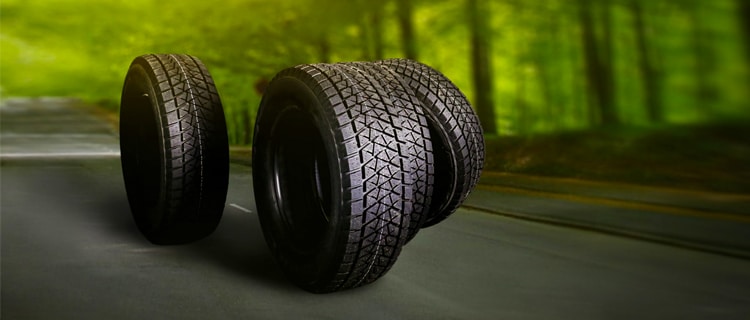
Road contact decides control stability during daily movement across varied surface conditions. Surface grip depends strongly on groove shape, depth, and placement balance. Many drivers rely on tire reviews when judging control reliability expectations. Pattern structure guides water release, surface hold, and turning response balance. Correct understanding supports safer movement during unpredictable surface changes today.
Surface contact shapes control balance
Groove arrangement affects grip stability. Pattern layout guides surface connection during movement.
Pattern depth directs water movement
Channel depth influences water clearing speed. Deeper paths reduce surface slide risks.
Groove orientation affects steering accuracy
Directional shapes guide movement response. Orientation controls turning feel stability.
- Straight grooves improve forward stability during steady motion phases
- Angled lines assist turning response during corner pressure moments
- Curved paths enhance surface grip during directional transitions
- Wide channels improve water escape during wet surface conditions
- Balanced spacing supports uniform contact distribution across the surface
Pattern symmetry supports stable handling
Symmetry improves balance control. Even layout supports predictable movement.
- Symmetrical designs maintain equal pressure across the contact surface
- Balanced layouts reduce uneven wear during extended use
- Consistent pattern improves straight movement stability
- Equal blocks support smooth directional changes
- Uniform design assists consistent steering feedback
Compound interaction with tread shape
Material flexibility complements groove design. Compound behaviour affects response.
- Softer materials enhance grip during lower surface temperatures
- Firmer blends support durability during warmer movement conditions
- Balanced compounds improve adaptability across changing surfaces
- Material elasticity supports tread block movement control
- Compound pairing influences overall traction consistency
When does the tread pattern affect the handling response?
Handling response changes during moisture presence, sharp turns, and braking moments. Pattern design determines surface connection quality during these situations.
Which tread shapes suit changing surfaces?
- Directional patterns support water removal during wet movement periods
- Symmetrical layouts favour steady dry surface control
- Asymmetrical designs balance grip across varied conditions
- Block designs assist rough surface adaptability
- Siped patterns improve slippery surface grip
Does tread wear reduce driving response?
Worn grooves reduce water-clearing ability. Reduced depth lowers surface contact reliability over time.
Tread comparison overview
Pattern awareness improves movement confidence. Regular inspection supports reliable handling across changing conditions.
Clear traction insight
Understanding groove design supports confident control decisions during daily movement. Shape depth orientation guide surface connection reliability. Balanced choices reduce unpredictable response risks. Careful evaluation using tire reviews supports informed pattern selection for stable handling outcomes.